





Sports betting has transformed from a niche activity into a mainstream form of entertainment enjoyed by millions of fans worldwide. Every day, bettors place wagers on football, basketball, baseball, soccer, UFC, tennis, and countless other sporting events. Yet despite its popularity, many newcomers still struggle to understand how sports betting works, how odds are calculated, and why some bettors consistently outperform others.
The truth is that successful sports betting isn't about luck alone. It's about understanding probability, recognizing value, managing risk, and making informed decisions over the long term.
This guide explains everything beginners need to know about sports betting, from understanding odds and betting types to learning smart strategies and avoiding costly mistakes.
What Is Sports Betting?
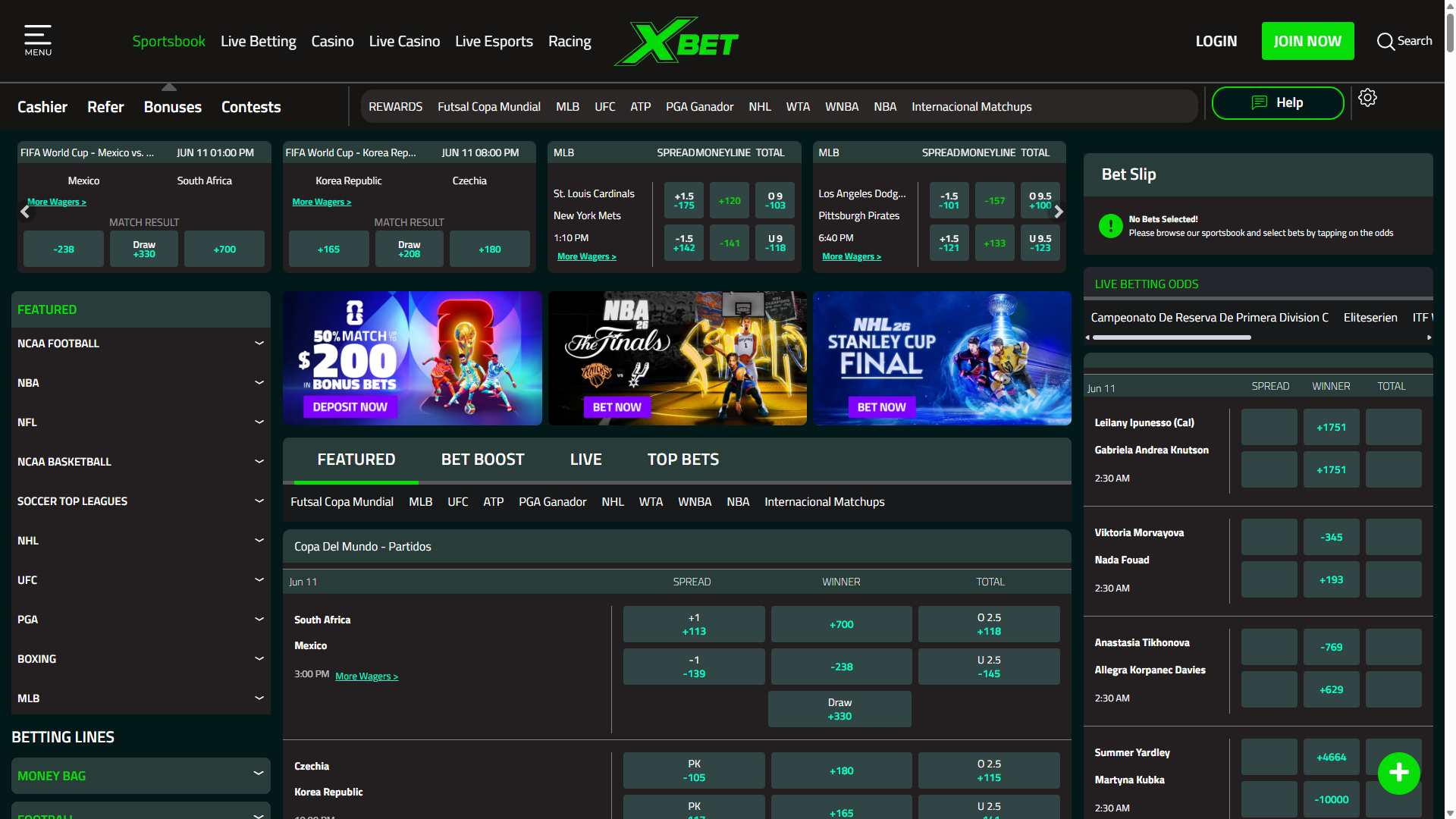
Sports betting is the act of placing money on the outcome of a sporting event with the goal of earning a profit if your prediction is correct. Whether you're wagering on an NFL game, an NBA matchup, a UFC fight, or a soccer match, sports betting allows fans to add another layer of excitement and engagement to the games they already enjoy.
At its simplest level, sports betting involves predicting what will happen during a sporting event and placing a wager based on that prediction. If your prediction is correct, the sportsbook pays out winnings based on the odds attached to the bet. If your prediction is wrong, you lose the amount you wagered.
Sports betting has existed for centuries, but the rise of online sportsbooks has made wagering more accessible than ever. Today, bettors can place wagers from their computer or mobile device through platforms such as MyBookie, Bet105, BetAnything, BetNow, Bovada, Xbet, and BetOnline. These sportsbooks offer thousands of betting opportunities every day across major leagues and sporting events around the world.
Unlike casino games that rely primarily on chance, sports betting combines elements of probability, statistical analysis, strategy, and risk management. While luck always plays a role in individual outcomes, successful bettors focus on making informed decisions based on data, trends, and value rather than emotion.
Understanding the fundamentals of sports betting is the first step toward becoming a smarter bettor. Before placing your first wager, it's important to understand how sportsbooks operate, how odds work, and why certain bets offer better long-term opportunities than others.
The History of Sports Betting
Sports betting dates back thousands of years. Ancient civilizations, including the Greeks and Romans, placed wagers on athletic competitions, chariot races, and gladiator contests. Betting has long been intertwined with sports because competition naturally creates uncertainty, and uncertainty creates opportunities for wagering.
As organized sports evolved, betting markets expanded alongside them. Horse racing became one of the earliest forms of regulated sports betting, eventually leading to the development of bookmakers who accepted wagers and set odds.
The modern sports betting industry experienced explosive growth with the arrival of the internet. Online sportsbooks transformed betting from an activity limited to casinos and local bookmakers into a global marketplace accessible 24 hours a day. Today, millions of bettors place wagers on everything from professional football and basketball to international soccer, tennis, golf, and esports.
How Sports Betting Has Evolved Online
Online sportsbooks have revolutionized the betting experience. Instead of visiting a physical sportsbook, bettors can now compare odds, research games, and place wagers instantly from anywhere.
Modern sportsbooks offer:
- Live betting during games
- Player prop markets
- Same-game parlays
- Cash-out options
- Mobile betting apps
- Real-time odds updates
This evolution has created more opportunities than ever for sports bettors while also increasing the importance of understanding betting fundamentals and bankroll management.
Why Sports Betting Has Become So Popular
The popularity of sports betting continues to grow because it combines entertainment, competition, and potential financial rewards. Many sports fans enjoy betting because it increases engagement with games and creates excitement throughout the event.
Several factors have contributed to the industry's growth:
- Increased legalization and regulation
- Easy access through online sportsbooks
- Expanded betting options
- Greater sports media coverage
- Advanced statistics and analytics
- Live and in-play wagering opportunities
For many bettors, sports betting transforms ordinary games into interactive experiences where every play, possession, and score can impact the outcome of a wager.
Sports Betting vs Traditional Gambling
Although sports betting falls under the broader category of gambling, it differs from many traditional casino games.
Games such as slot machines and roulette are largely driven by fixed mathematical probabilities controlled by the casino. Sports betting, however, involves analyzing real-world events influenced by athletes, teams, injuries, coaching decisions, weather conditions, and countless other variables.
This distinction allows bettors to apply research, statistical analysis, and strategic thinking when evaluating betting opportunities. While no strategy can eliminate risk, knowledgeable bettors can make more informed decisions than someone relying solely on luck.
Is Sports Betting Legal?
Sports betting laws vary depending on location. In many jurisdictions, regulated sportsbooks operate legally under government oversight. Other regions may restrict or prohibit sports wagering altogether.
Before placing a bet, always verify the laws and regulations in your area and use reputable sportsbooks that prioritize security, fair betting practices, and responsible gambling measures.
Regardless of where you bet, sports betting should always be approached responsibly. The goal should be entertainment and long-term enjoyment rather than viewing betting as a guaranteed source of income.
How Sports Betting Works
Before placing your first wager, it's important to understand what happens behind the scenes when a sportsbook posts odds and accepts bets. While sports betting may seem straightforward on the surface, sportsbooks use sophisticated models, risk management strategies, and market analysis to create betting lines and manage action.
Every bet involves three key components: the bettor, the sportsbook, and the odds. The bettor attempts to identify value and predict outcomes, while the sportsbook aims to balance risk and generate profit through its built-in edge. Understanding this relationship can help bettors make smarter decisions and avoid common mistakes.
Whether you're betting on the NFL, NBA, MLB, soccer, UFC, or another sport, the process generally follows the same pattern. A sportsbook posts odds, bettors place wagers, and payouts are determined based on the outcome and the odds attached to each selection.
How Sportsbooks Set Betting Lines
One of the biggest misconceptions among beginners is that sportsbooks are simply predicting who will win a game. In reality, sportsbooks are setting prices based on probability and market expectations.
Oddsmakers analyze numerous factors when creating betting lines, including:
- Team performance
- Player statistics
- Injury reports
- Weather conditions
- Coaching trends
- Historical matchups
- Advanced analytics
- Public betting behavior
The goal is to create a number that accurately reflects the expected outcome while attracting balanced action from bettors.
For example, if the Kansas City Chiefs are expected to beat the Buffalo Bills by six points, a sportsbook may release a point spread of Chiefs -6. The line represents the sportsbook's assessment of the matchup while also serving as a starting point for the betting market.
As bets come in, sportsbooks may adjust the line to manage risk and respond to market activity.
Understanding Sportsbook Liability
Every sportsbook faces liability whenever it accepts bets.
Liability refers to the amount of money a sportsbook stands to lose if a particular outcome occurs.
For example, if a large percentage of bettors place wagers on one side of a game, the sportsbook could face significant exposure if that team wins. To reduce this risk, sportsbooks may move the odds or point spread to encourage action on the opposite side.
This balancing act is one reason odds constantly change leading up to an event.
The sportsbook's objective isn't necessarily to predict winners perfectly. Instead, it's to manage risk effectively while collecting enough commission through the vig to remain profitable over time.
How Public Money Impacts Odds
The betting market is heavily influenced by public perception.
Popular teams such as the Dallas Cowboys, Los Angeles Lakers, New York Yankees, and other high-profile franchises often attract large volumes of recreational betting action. Because sportsbooks know these teams are popular with casual bettors, the odds can sometimes become inflated.
This phenomenon creates situations where the public and professional bettors disagree.
Public bettors often focus on:
- Recent performances
- Star players
- Media narratives
- Personal opinions
Professional bettors are more likely to focus on:
- Market value
- Statistical projections
- Injury reports
- Situational factors
- Probability calculations
Understanding how public money influences betting lines can help bettors identify opportunities where perception differs from reality.
Sharp Bettors vs Casual Bettors
Sportsbooks closely monitor the behavior of different types of bettors.
Casual bettors, often called “public bettors,” generally wager for entertainment. Their betting decisions may be influenced by favorite teams, recent headlines, or emotional reactions.
Sharp bettors, also known as professional bettors, approach sports betting as an investment process. Their focus is finding value rather than simply picking winners.
Characteristics of sharp bettors include:
- Strong bankroll management
- Consistent wager sizing
- Line shopping
- Statistical analysis
- Long-term thinking
- Emotional discipline
Sportsbooks pay close attention to sharp action because professional bettors often identify inefficiencies before the broader market adjusts.
When sharp money enters a market, sportsbooks may move odds even if the total number of bets remains relatively low.
Why Lines Move Before Games
Betting lines are rarely static.
The odds you see when a market opens may look completely different by game time. This movement occurs for several reasons:
Injury News
Injuries can dramatically affect a team's chances of winning. If a star quarterback, starting pitcher, or key player is ruled out, sportsbooks will quickly adjust the odds.
Sharp Action
When respected professional bettors place large wagers, sportsbooks often respond by moving the line to reflect the new information being priced into the market.
Public Betting Trends
Heavy betting volume on one side can cause sportsbooks to adjust odds in an effort to attract action on the other side.
Weather Conditions
Weather can significantly impact outdoor sports such as football, baseball, and soccer. Wind, rain, snow, and extreme temperatures often influence totals and side markets.
Opening Lines vs Closing Lines
One of the most important concepts in sports betting is understanding the difference between opening lines and closing lines.
The opening line is the first betting number released by the sportsbook.
The closing line is the final number available immediately before the event begins.
Professional bettors often track how their wagers compare to the closing line because it provides insight into whether they are consistently finding value.
For example:
- You bet Team A at -3.
- The line closes at -5.
In this case, you secured a better number than the market eventually settled on.
This concept is known as Closing Line Value (CLV), and many experienced bettors view it as one of the strongest indicators of long-term betting success.
The Basic Betting Process
Although sportsbooks use complex systems behind the scenes, the actual betting process is relatively simple.
- Select a sportsbook.
- Fund your account.
- Choose a sporting event.
- Review available betting markets.
- Select your wager.
- Enter your stake amount.
- Confirm the bet.
- Track the outcome.
While the mechanics are simple, becoming a successful bettor requires understanding probability, risk management, and value. The more you understand how sportsbooks operate and how betting markets function, the better equipped you'll be to make informed decisions.
The next step is learning how to read and interpret sports betting odds, which form the foundation of every wager you place.
Sports Betting Odds Explained
If sports betting has a universal language, it's odds.
Every wager you place revolves around odds because they determine two critical things: how much money you can win and how likely a sportsbook believes an outcome is to occur. Whether you're betting on the NFL, NBA, MLB, UFC, soccer, or any other sport, understanding odds is essential for making informed betting decisions.
Many beginners focus solely on who they think will win a game. Experienced bettors focus on whether the odds accurately reflect the true probability of an outcome. This distinction separates recreational betting from strategic betting.
Learning how odds work allows you to calculate payouts, identify value, compare sportsbooks, and make smarter long-term decisions.
What Are Sports Betting Odds?
Sports betting odds are numerical representations of probability.
They show:
- The sportsbook's estimated chance of an event occurring.
- The potential payout if your wager wins.
Odds are constantly changing based on betting activity, injuries, news, and market conditions. Sportsbooks adjust these numbers to manage risk and maintain profitability.
For example:
Chiefs -150
Bills +130
The sportsbook believes the Chiefs have a higher probability of winning than the Bills. As a result, the Chiefs offer a smaller payout because they are considered the favorite.
The Bills offer a larger payout because they are viewed as the underdog.
American Odds (+/-)
American odds, also known as moneyline odds, are the most common format used by sportsbooks serving U.S. bettors.
American odds use positive (+) and negative (-) numbers to indicate favorites and underdogs.
Favorite Odds
Favorites are represented by a minus sign.
Example:
Chiefs -150
This means you must risk $150 to win $100 in profit.
If your wager wins:
- Profit: $100
- Original stake returned: $150
- Total payout: $250
Because favorites are more likely to win, sportsbooks offer smaller returns.
Underdog Odds
Underdogs are represented by a plus sign.
Example:
Bills +200
This means a $100 wager wins $200 in profit.
If your wager wins:
- Profit: $200
- Original stake returned: $100
- Total payout: $300
Since underdogs are less likely to win, sportsbooks offer larger payouts to compensate for the additional risk.
Why Favorites Have Minus Odds
Many beginners wonder why they must risk more money to win less when betting favorites.
The answer comes down to probability.
If a team is expected to win most of the time, sportsbooks don't need to offer large payouts to attract action.
For example:
- A heavily favored NFL team may be listed at -300.
- A championship contender in the NBA could be listed at -250.
- A dominant UFC fighter may close at -400.
The greater the perceived advantage, the lower the payout.
Why Underdogs Have Plus Odds
Underdogs are considered less likely to win.
To encourage betting activity on these teams, sportsbooks increase the potential reward.
This creates opportunities for bettors who believe a sportsbook has underestimated an underdog's chances.
Many professional bettors spend significant time searching for mispriced underdogs because even a modest win rate can become profitable when payouts are high enough.
Decimal Odds
Decimal odds are widely used in Europe, Canada, Australia, and many international sportsbooks.
Unlike American odds, decimal odds display the total return rather than just the profit.
Example:
3.00
A $100 wager returns:
- $300 total payout
- $200 profit
- $100 original stake
Decimal odds are often considered easier for beginners because calculating payouts requires simple multiplication.
Formula:
Stake × Decimal Odds = Total Return
Example:
$50 × 2.50 = $125
Total return = $125
Profit = $75
Fractional Odds
Fractional odds are commonly used in the United Kingdom and horse racing markets.
Example:
5/1
For every $1 wagered, you earn $5 in profit.
A $100 wager would generate:
- $500 profit
- $100 stake returned
- $600 total payout
Another example:
10/11
A bettor wins $10 for every $11 risked.
Fractional odds are less common in North America but still appear on many international betting platforms.
Converting Odds Formats
Although sportsbooks may display odds differently, they all represent the same underlying probability.
Example:
- American: +200
- Decimal: 3.00
- Fractional: 2/1
All three formats represent the same betting price.
Understanding multiple formats becomes useful when comparing sportsbooks and international betting markets.
Calculating Potential Payouts
One of the most practical betting skills is understanding how to calculate payouts before placing a wager.
Example 1:
Odds: -110
Stake: $110
Potential Profit: $100
Total Return: $210
Example 2:
Odds: +150
Stake: $100
Potential Profit: $150
Total Return: $250
Example 3:
Odds: +300
Stake: $50
Potential Profit: $150
Total Return: $200
Knowing your potential payout helps you evaluate whether a wager offers enough value relative to the risk.
Calculating Implied Probability
Odds do more than determine payouts.
They also reveal the sportsbook's estimated probability of an outcome occurring.
This concept is called implied probability.
For positive odds:
Implied Probability = 100 ÷ (Odds + 100)
Example:
+200
100 ÷ (200 + 100)
100 ÷ 300
= 33.3%
The sportsbook is implying a 33.3% chance of success.
For negative odds:
Implied Probability = Odds ÷ (Odds + 100)
Example:
-150
150 ÷ (150 + 100)
150 ÷ 250
= 60%
The sportsbook is implying a 60% chance of success.
What Is True Probability?
The sportsbook's probability estimate isn't necessarily correct.
Every bettor develops their own opinion about the true probability of an outcome.
For example:
Sportsbook implied probability:
45%
Your projected probability:
55%
This discrepancy may indicate a potential value betting opportunity.
The larger the gap between implied probability and true probability, the greater the potential value.
Implied Probability vs True Probability
This comparison forms the foundation of profitable sports betting.
Consider this example:
Sportsbook Odds: +150
Implied Probability: 40%
Your Analysis: 48%
Because your estimate is higher than the sportsbook's estimate, the wager may offer positive expected value.
Professional bettors spend far more time evaluating probability than predicting winners.
Understanding Sportsbook Margins
Sportsbooks do not operate as charities.
Every market contains a built-in margin designed to generate profit.
This margin is commonly known as:
- Vig
- Juice
- Hold percentage
The margin ensures sportsbooks maintain an edge over bettors over time.
Even perfectly balanced markets contain small inefficiencies that favor the sportsbook.
What Is Vig or Juice?
The vig is essentially the sportsbook's commission.
Consider a standard NFL spread:
Chiefs -110
Bills -110
At first glance, the odds appear perfectly balanced.
However, if each side truly had a 50% chance of winning, fair odds would be +100.
The extra cost built into the -110 pricing creates profit for the sportsbook.
This commission is why bettors must win more than 50% of standard wagers to break even.
Why Most Odds Are -110
The -110 line has become the industry standard for many spread and total bets.
At -110, bettors must win approximately 52.38% of their wagers just to break even.
This percentage is known as the break-even rate.
Many beginners assume winning half their bets is enough to profit.
In reality, the vig means bettors must consistently outperform the market to generate long-term returns.
Understanding odds, implied probability, and sportsbook margins is the foundation of intelligent sports betting. Once you learn how to interpret these numbers, you'll begin viewing odds as prices rather than predictions—a mindset shared by the most successful bettors in the world.
Why Sportsbooks Exist
Sportsbooks serve as marketplaces where bettors can wager on sporting events.
Unlike casual betting between friends, sportsbooks:
- Set official betting lines
- Manage risk
- Handle payouts
- Offer numerous betting options
- Ensure liquidity for markets
Their business model relies on earning a commission through odds pricing rather than predicting winners perfectly.
How Sportsbooks Make Money
Many beginners assume sportsbooks make money because bettors lose.
That's only partially true.
Sportsbooks primarily earn revenue through the vig (also called juice).
For example:
Team A: -110
Team B: -110
A bettor must risk $110 to win $100.
The extra $10 built into each side represents the sportsbook's edge.
Over thousands of wagers, this mathematical advantage generates consistent profits regardless of game outcomes.
The Most Popular Types of Sports Bets
Every bettor should understand the primary wagering options available.
Moneyline Bets
The simplest bet.
Pick the winner.
No spreads.
No totals.
Just win or lose.
Point Spread Bets
Popular in football and basketball.
The spread creates balance between stronger and weaker teams.
Favorites must cover.
Underdogs can lose by less than the spread and still cash.
Over/Under Totals
Instead of picking a winner, you predict scoring volume.
Examples:
- Total points
- Total goals
- Total runs
Prop Bets
Props allow bettors to focus on individual players or events.
Examples include:
- Passing yards
- Rebounds
- Home runs
- Goals scored
Parlays
Parlays provide higher payouts but significantly greater risk.
A five-leg parlay may offer a huge return, but one losing selection voids the entire ticket.
Futures Bets
Futures involve long-term outcomes.
Examples:
- Super Bowl winner
- NBA Champion
- MVP awards
These bets can remain open for months.
Sports Betting Strategies That Actually Matter
Winning bettors focus on process rather than predictions.
Bankroll Management
The most important skill in sports betting.
A bankroll is the amount of money allocated specifically for betting.
Many professionals risk:
1% to 3%
of their bankroll per wager.
This protects against inevitable losing streaks.
Line Shopping
Different sportsbooks offer different odds.
Example:
MyBookie: Chiefs -110
BetOnline: Chiefs -105
Over hundreds of wagers, securing better numbers dramatically improves profitability.
Value Betting
Value betting occurs when your estimated probability exceeds the sportsbook's implied probability.
This is where long-term profits originate.
The goal isn't predicting winners.
The goal is finding mispriced odds.
Avoiding Emotional Bets
Fans often bet with their hearts.
Professionals bet with data.
Avoid:
- Chasing losses
- Revenge betting
- Betting favorite teams blindly
Emotion is one of the biggest bankroll killers.
Common Sports Betting Mistakes
Most losing bettors make predictable mistakes.
Chasing Losses
After a losing bet, many bettors increase wager sizes.
This often accelerates losses.
Successful bettors stick to predetermined bankroll rules.
Betting Too Many Games
More bets do not equal more profits.
Selective betting usually produces better long-term results.
Quality beats quantity.
Ignoring Closing Line Value
Closing Line Value (CLV) measures whether your odds beat the final market price.
Consistently beating closing lines is often a strong indicator of long-term betting success.
Risks of Sports Betting
Sports betting should always be viewed as entertainment first.
There are genuine risks involved.
Financial Risks
Every bet carries uncertainty.
Even expert bettors experience losing streaks.
Never wager money needed for:
- Rent
- Bills
- Food
- Emergencies
Gambling Addiction Warning Signs
Potential warning signs include:
- Chasing losses
- Borrowing money to bet
- Hiding betting activity
- Increasing wager sizes impulsively
- Feeling unable to stop
Recognizing these signs early is critical.
Responsible Gambling Resources
Best practices include:
- Setting deposit limits
- Establishing loss limits
- Taking regular breaks
- Viewing betting as entertainment
Responsible gambling ensures sports betting remains enjoyable and sustainable.
Best Sports for Betting
Some sports provide more opportunities than others.
NFL
The most heavily bet sport in North America.
Benefits include:
- Massive market liquidity
- Extensive statistics
- Strong betting coverage
NBA
Ideal for bettors who enjoy:
- Daily action
- Player props
- Injury analysis
MLB
Baseball offers one of the longest seasons and numerous betting opportunities.
Many professional bettors specialize exclusively in MLB.
Soccer
The world's most popular sport provides:
- Moneylines
- Totals
- Asian handicaps
- Futures
Thousands of matches occur annually.
UFC and MMA
Fight sports attract bettors due to:
- Smaller markets
- Matchup-specific advantages
- Unique betting opportunities
Frequently Asked Questions
Is sports betting profitable?
A small percentage of bettors achieve long-term profitability through disciplined bankroll management, value betting, and strong analytical processes.
What is the easiest bet for beginners?
Moneyline betting is typically the simplest starting point.
What does -110 mean?
You must risk $110 to win $100 profit.
What is a parlay?
A parlay combines multiple bets into one ticket. Every selection must win for the wager to pay.
What is the sportsbook's edge?
The sportsbook's edge comes primarily from the vig or juice built into betting lines.
Should beginners use bankroll management?
Absolutely. Bankroll management is arguably the most important factor in long-term betting success.